Loading...
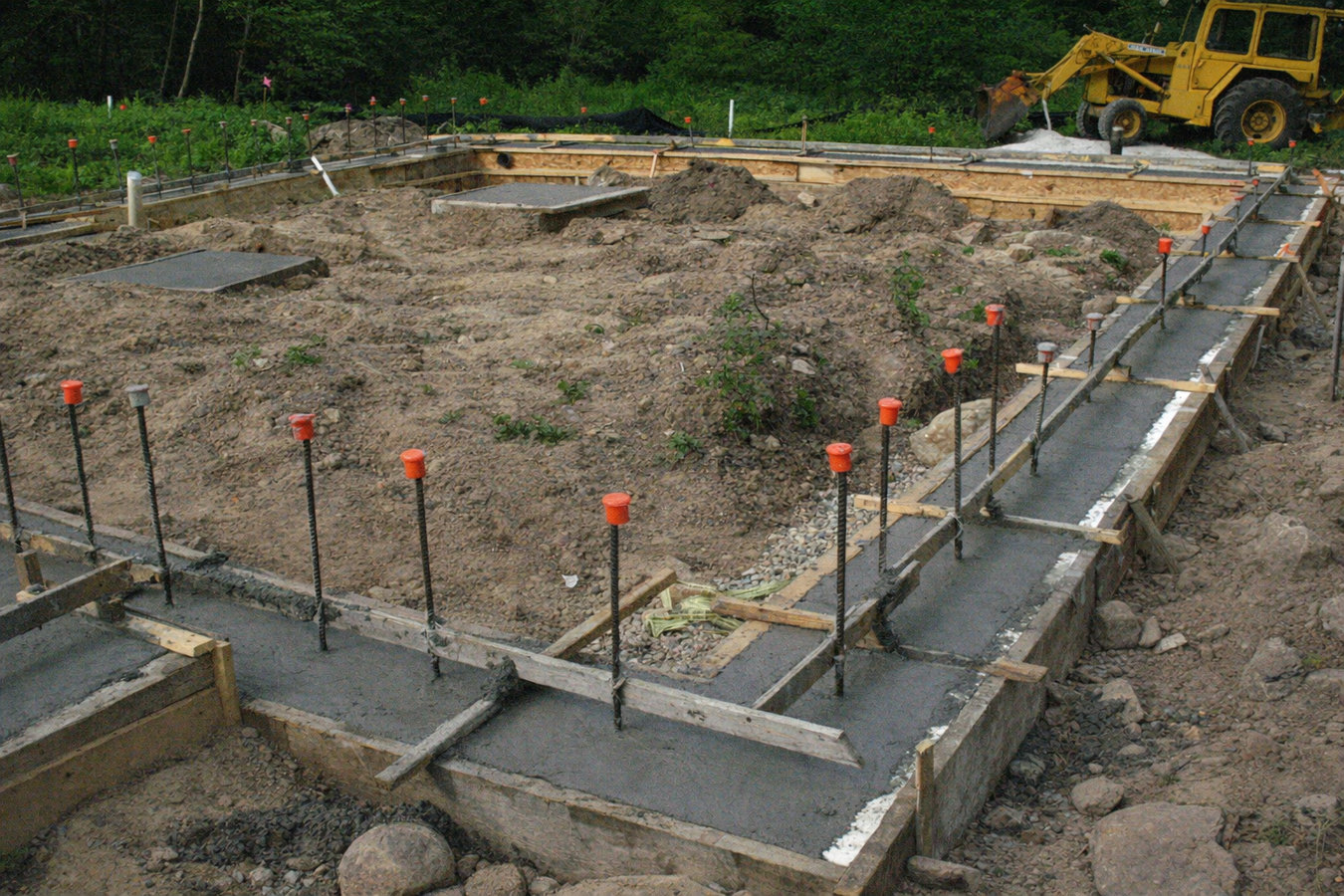
Every structure you add to your property - a room addition, covered patio, block wall, or garage - starts with a footing. In Sierra Vista, caliche soil and clay movement mean that footing has to be designed for local conditions, not just code minimums.
Concrete footings in Sierra Vista involve excavating to stable soil, setting forms and steel reinforcement, pouring concrete, and coordinating a City of Sierra Vista building inspection - most standard residential projects take one to two weeks of active work, with the full permit-to-completion timeline running three to five weeks.
A footing is the underground base that holds up everything built on top of it - a room addition, a covered patio, a carport, a block wall. If that base shifts, settles unevenly, or was never deep enough to begin with, the structure above it shows it: doors that stick, cracks along walls, gaps where an addition meets the main house. Concrete footings in Sierra Vista need to account for caliche layers that slow excavation and clay soils that expand and contract with the monsoon wet-dry cycle, or those problems show up faster than most homeowners expect.
If your footing project is part of a larger build, pairing it with foundation installation from the same crew saves mobilization costs and ensures the footing and the foundation are designed to work together from the start.
If you are planning a room addition, covered patio, carport, block wall, or detached garage, footings are required before any of that work can begin. The signal is simple: if something new is going to be built and attached to the ground, it needs a proper base. A contractor will confirm the specifics during their site visit.
Cracks that appear at or near ground level - especially diagonal cracks at the corners of a wall or slab - often point to a footing that has shifted or was never adequate for the load. In Sierra Vista, the combination of clay soils and seasonal moisture swings makes this kind of movement more common than in more stable soil regions.
When a footing shifts or settles unevenly, the structure above it moves too - and one of the first places you notice that is in doors and windows that suddenly do not open and close the way they used to. This is especially common in older Sierra Vista homes where additions were built without permits or without accounting for local soil conditions.
If a patio cover, room addition, or attached block wall has started pulling away from the main house - even a small gap - that is a sign the footing under that structure is moving independently. In southern Arizona's clay-heavy soils, this kind of differential settlement is not unusual after a wet monsoon season. Catching it early gives you more options and lower repair costs.
We pour concrete footings for residential and commercial projects across Sierra Vista and Cochise County - from small covered patio footings to larger room addition and detached structure projects. Every job starts with a site visit to assess the soil, because caliche depth and clay content vary enough from property to property that quoting without looking is just guessing. We set steel reinforcing bars inside every footing before the pour, giving the concrete a skeleton that resists cracking when the soil beneath it moves with seasonal moisture changes.
For projects that go beyond the footing itself, we can connect your footing work to foundation raising if an existing structure needs to be lifted and re-leveled, or to foundation installation for new builds that need a complete structural base. We handle City of Sierra Vista permit applications, schedule the required building inspections, and give you the signed permit card at completion - so your records are clean and your work is documented.
For homeowners adding covered patios, room additions, carports, block walls, or detached garages - footings sized and placed for the specific load and local soil conditions.
For business owners and property managers needing footings for signage, canopies, loading areas, or accessory structures - larger pours with the same soil assessment and permit management.
Suited for Sierra Vista properties where standard excavation equipment hits resistance - we have the equipment and experience to break through hard layers and reach stable ground.
For owners who want the full process handled - application submission, inspection scheduling, and a signed permit card that documents the work for your home records and future sale.
Two soil conditions make concrete footing work in Sierra Vista meaningfully different from most other markets. The first is caliche - a hard, calcium-rich hardpan layer that occurs naturally across much of southern Arizona and can be found anywhere from a few inches to several feet below the surface. Hitting a thick caliche layer mid-excavation without the right equipment adds both time and cost, and a contractor who did not plan for it may try to shortcut around it rather than through it. The second is the clay soil common across the Cochise County region: it swells when wet during monsoon season and shrinks when it dries out in winter. That repeated movement puts real stress on any footing that was not sized and placed with that behavior in mind. The University of Arizona Cooperative Extension has published plain-language guidance on caliche and expansive soils that any homeowner in this area will find useful.
We work across the region, including in Bisbee and Tombstone, where the soil conditions and permit processes are similar to Sierra Vista. Homeowners in those communities deal with the same caliche-and-clay combination, and we bring the same site assessment approach to every property we visit in the Cochise County area.
You describe what you are building and roughly where on your lot. We schedule a site visit - usually within one business day - to look at the area, check access, and assess soil conditions. You get a written estimate that covers labor, materials, permit fees, and any contingencies for caliche or unexpected soil. No phone guessing.
We submit the permit application to the City of Sierra Vista on your behalf. This is standard practice and is included in your quote. Approval typically takes one to three weeks. We keep you updated and let you know the permit number once it is issued - you do not need to manage that process.
Once the permit is in hand, we mark footing locations, excavate to required depth, and set wooden forms and steel rebar. The city inspector may visit at this stage before the pour. Concrete is then placed and finished. In summer heat, we cover or mist the fresh surface to prevent early drying and cracking.
After the pour, the footing cures for at least a week before framing or block work begins on top. A final city inspection confirms the work meets the approved plans. We schedule that inspection and are present for it. You receive the signed permit card - worth keeping with your home records when you sell.
Free on-site estimate. Permit handled for you. Spring slots fill quickly - reach out now.
(520) 523-1256Caliche is common enough in the Sierra Vista area that we treat it as an expected condition, not a surprise. We have the equipment to break through hard layers and reach stable soil below, and we communicate any additional scope to you before we proceed - no unexpected charges at the end of the project.
We submit, track, and close out permit applications with the city on your behalf. When the project is done, you have a signed permit card that documents the work was done to code - a detail that matters when you sell your home or need to file an insurance claim involving the addition or structure.
Arizona requires concrete contractors to hold a valid Registrar of Contractors license. Our license gives you a real avenue for recourse through the state if something goes wrong - not just a handshake. Homeowners can verify any Arizona contractor's license at no cost at roc.az.gov before signing anything.
Sierra Vista's summer heat can dry a fresh concrete surface too fast, weakening it before the inside has cured. We take steps to slow that process on every pour - curing compounds, surface covering, and early-morning scheduling in warm months. That attention is what keeps your footing structurally sound for the long term.
A footing is the part of a project most homeowners never see once it is done - but it is also the part that determines whether everything built on top of it holds its value for decades or starts showing problems in a few years. That is why getting it right matters more than getting it fast.
If an existing structure has shifted or settled, foundation raising lifts and re-levels it before new footing work begins.
Learn MoreFor new builds that need a complete structural base beyond individual footings - full slab and perimeter foundation work for larger projects.
Learn MoreSpring slots fill fast - reach out now to lock in your start date before monsoon season closes the window. Call or request a free estimate online.